
Kaiju Princess Screenshots




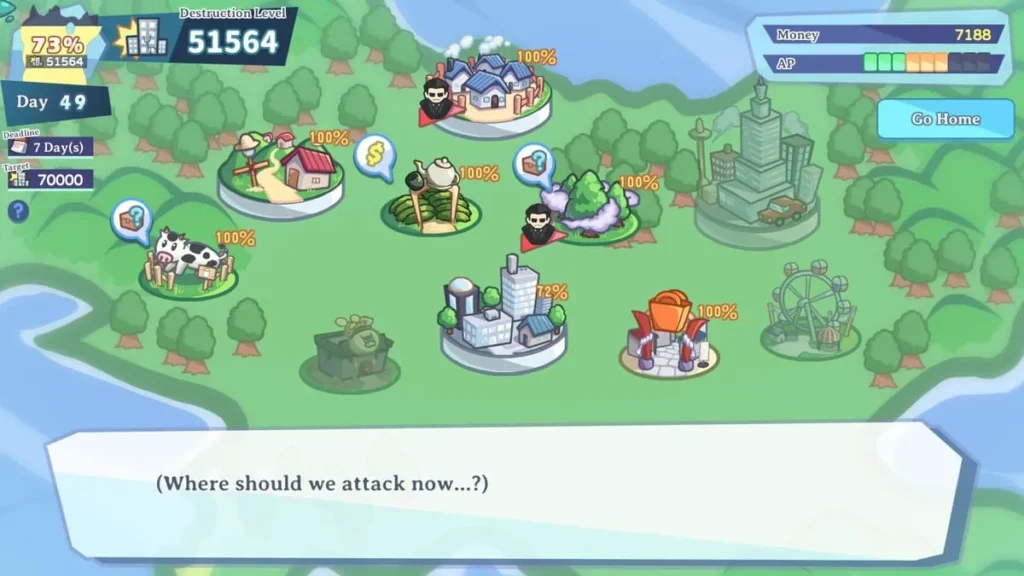
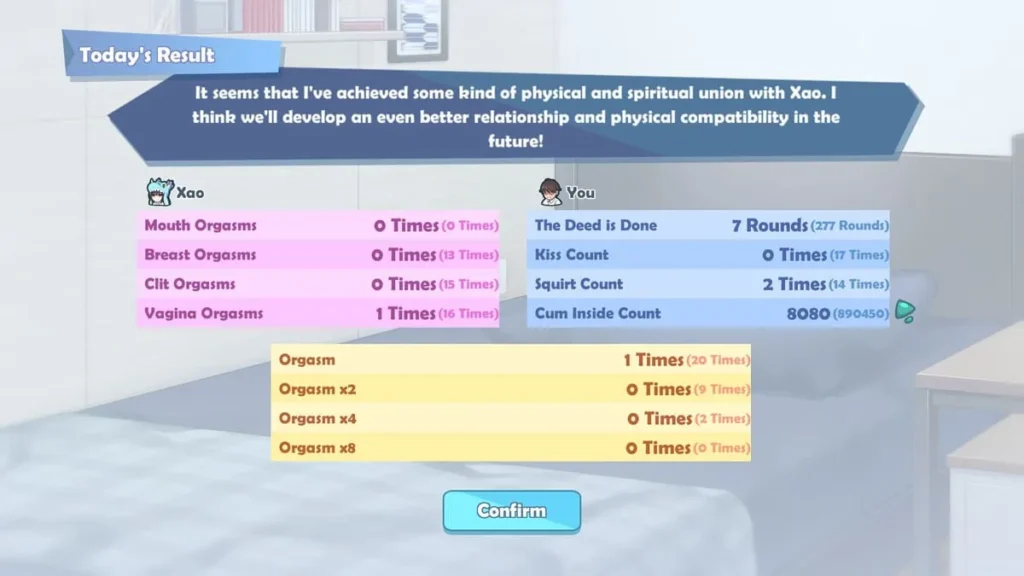



Kaiju Princess review
Exploring the time management mechanics and relationship-building systems that define this unique adult simulation experience
Kaiju Princess stands out as a distinctive management simulation that blends time management mechanics with relationship development in an unconventional setting. Players take on the role of a servant managing daily tasks, resource allocation, and interactions with a powerful extraterrestrial princess. The game combines strategic decision-making with narrative elements, creating an engaging experience that appeals to fans of life simulation games. Understanding the core mechanics, gameplay loop, and what makes this title unique can help potential players decide if it aligns with their gaming preferences. This guide explores the essential aspects that define the Kaiju Princess experience.
Core Gameplay Mechanics and Time Management Systems
Ever felt like there just aren’t enough hours in the day? Welcome to the world of Kaiju Princess, where that feeling isn’t just a metaphor—it’s the core of the gameplay. 🕐✨ At its heart, this isn’t just a visual novel or a simple dating sim; it’s a surprisingly deep time management gameplay experience wrapped in a charming, monster-girl package. Your success hinges on one simple, brutal fact: your daily energy is finite, and your tasks are many. Mastering this delicate dance of priorities is what separates a thriving relationship from a disastrous one.
Let’s pull back the curtain on the systems that make this world tick, from the punishingly fun early game to the satisfying, if repetitive, late-game loop. Strap in, manager; you’ve got a city to indirectly protect and a princess to care for.
Understanding the Daily Energy and Resource Management
Your day in Kaiju Princess begins and ends with two precious currencies: Energy and Money. Think of your energy as the raw minutes in your day. Every single action, from making breakfast to fighting a rogue mecha, costs a chunk of it. This energy system mechanics is the piston driving the entire game engine. You start each morning with a full tank, and every choice depletes it until you’re forced to sleep and start over.
So, what drains this tank? Everything. The game cleverly divides your duties into several core pillars:
- Apartment Maintenance Gameplay: This is your home base. Is the apartment a mess? That costs energy to clean. Do you need to cook a meal to keep your Kaiju companion happy (and to restore some energy)? That’s more energy gone. It’s a meta-cycle of upkeep that feels incredibly true to life.
- Character Mood Management: Your princess has needs and emotions. Talking to her, giving gifts, or engaging in special activities all cost energy but are vital for building your relationship and unlocking new story scenes. Ignore this, and her mood will plummet, making everything else harder.
- Work & Quotas: You have bills to pay! Taking on part-time jobs earns crucial cash but is a major energy sink. Furthermore, you have a shadowy “destruction quota” to meet—yes, you need to strategically level parts of the city to keep certain powers happy. Balancing a day job with sanctioned chaos is the game’s unique twist.
This is where resource allocation strategy becomes critical. The money you earn from work or other actions is your lever to change the game. You spend it on:
* Food items to restore energy (investing money to get more time).
* Gifts and items to improve your companion’s mood or relationship.
* Permanent upgrades for your apartment that might reduce daily energy costs for maintenance.
The learning curve is steep. I remember my first week in-game was a disaster. 😅 I’d spend all my energy on work, come home to a filthy apartment and a sulking princess, have no energy to cook or talk, and go to bed defeated. I was rich but miserable. The game teaches you, sometimes harshly, that balance is non-negotiable.
To visualize the tug-of-war you face every single day, here’s a breakdown of common tasks:
| Activity Category | Example Task | Typical Energy Cost | Primary Reward |
|---|---|---|---|
| Apartment Maintenance | Cleaning the living room | 15-20 | Prevents mood penalties, unlocks interactions |
| Character Care | Having a deep conversation | 25-30 | Major relationship points, improves mood |
| Employment | Office work shift | 40-50 | Substantial money |
| Destruction Quota | Damaging a commercial district | 30-40 | Quota progress, possible rare items |
| Sustenance | Preparing a meal | 10-15 | Restores energy for you and your companion |
This table is your cheat sheet. See how a single work shift can consume nearly half your early-game energy? That’s the strategic crux. The daily management loop forces you to make meaningful choices that directly impact your progression and the story. Do you fund a fancy gift today, or buy a better appliance that makes cooking cheaper tomorrow? This constant cost-benefit analysis is where the game truly shines.
Balancing Multiple Objectives and Priorities
Once you understand the costs, the next layer of mastery begins: the juggling act. The game doesn’t have a “right” answer, but it certainly has wrong ones. A failed day in Kaiju Princess isn’t one where you didn’t complete everything—that’s impossible. It’s a day where you allocated your energy poorly and failed your priority objectives.
Through trial and error (and many failed days), I developed a personal hierarchy of needs. This is the unspoken resource allocation strategy that the game wants you to discover. For new players feeling overwhelmed, here’s my ranked list of management priorities:
- Avoid Critical Failures: This means keeping your companion’s mood above a disaster zone and preventing your apartment from becoming uninhabitable. Letting these hit zero creates massive setbacks. A simple daily chat and a quick tidy-up are non-negotiable shields.
- Secure Sustenance: Energy begets energy. Using some energy to cook a good meal that restores more energy for both of you is your first major positive feedback loop. It’s an investment, not an expense. 🍳➡️⚡
- Meet Minimum Quotas: Your “other” job—the destruction—often has soft daily or weekly targets. Meeting the minimum keeps the story moving and avoids negative attention. It’s usually more important than extra cash.
- Generate Income: With the basics covered, now you work for upgrades. This is where you grind for that better bed (which gives you more starting energy) or that fancy kitchen gadget.
- Advance the Relationship: Deep conversations, gift-giving, and special events are the luxury activities. You pursue these once your operational foundation is stable. They are the reward for good management.
The beauty of this system is that the weights shift. Early on, income is a top-tier priority because you need basic tools. Later, income might fall to the bottom as you shift focus entirely to maxing out your relationship. This evolving time management gameplay is what keeps the mid-game so engaging. You’re constantly re-evaluating your strategy based on your current goals and unlocked upgrades.
Pro Tip: Don’t try to do everything in one day. Designate themes! Have a “Grind Day” focused on work and quotas, followed by a “Home Day” for deep cleaning and long talks. This thematic approach helps you feel productive rather than scattered.
The strategic depth comes from interconnections. A happy companion might help with chores, reducing energy costs. A clean apartment might unlock a special, mood-boosting event. Upgraded tools permanently lower the energy toll of daily life. You’re not just checking off tasks; you’re engineering a more efficient lifestyle to carve out more quality time. That’s the brilliant core loop.
Progression Systems and Long-Term Goals
All this daily hustle feeds into the broader progression system. Kaiju Princess is ultimately about growth, both in your relationship and in your personal capacity. The daily management loop is the grind, but the upgrades and story milestones are the glory.
Your long-term goals are clear:
* Deepen your Relationship: Unlock every story beat and emotional moment with your Kaiju companion.
* Optimize Your Operation: Upgrade every appliance, buy the best furniture, and acquire permanent boosts that reshape your daily energy budget.
* Uncover the Story: Progress through the main narrative, which is gated behind both relationship levels and certain task completions.
This is where the gameplay experience elegantly transforms. In the early game, you’re clawing for every advantage. Every 500 credits saved for a new microwave feels like a triumph. The challenge is intense, and every choice carries weight. This phase is incredibly absorbing because you’re actively problem-solving with severe constraints.
The mid-game is the sweet spot. You have a few key upgrades, you understand the rhythms, and you’re hitting a comfortable stride. You’ve mastered the basic energy system mechanics and are now deploying advanced resource allocation strategies. You can consistently achieve your daily goals and still have energy left for a nice walk or a heartfelt chat. The game feels rewarding and dynamic.
Then, you hit the late-game. And here’s the honest personal insight: it can become repetitive. Once you’ve purchased the top-tier apartment upgrades, your daily management loop becomes almost trivial. Your energy pool is so large, and your tasks so cheap, that you can complete everything with energy to spare. The fierce time management gameplay that defined the first 15 hours softens into a relaxed routine.
Is this a flaw? It depends on your perspective. For me, it felt like a earned victory lap. 🏆 The stressful management sim gradually transitions into a more pure visual novel, where you’re spending most of your energy on relationship-building events because you’ve earned that luxury. The grind is over; now it’s just about enjoying the story you worked so hard to unlock. The progression system has done its job, moving you from a struggler to a master.
Ultimately, the management mechanics are the brilliant scaffolding upon which the romance is built. They provide context, struggle, and tangible investment. You’re not just clicking through dialogue options; you’re scheduling time for them, sacrificing work income for a chance to make your companion smile. That investment makes every story moment feel deserved. So, while the late-game might lack the frantic strategic charm of the early days, it delivers on the promise that all your careful management was for something truly meaningful. It’s a journey from being a overwhelmed caretaker to a confident partner, and every energy point spent along the way tells that story.
Kaiju Princess delivers a compelling management simulation experience that successfully merges strategic gameplay with narrative depth. The time management mechanics create an engaging core loop that challenges players during early stages and rewards mastery through progression systems. The relationship development system adds meaningful depth, allowing players to build connections with multiple characters as they navigate the unique premise of serving an extraterrestrial princess. The game’s presentation, from visual design to audio composition, supports the overall experience and creates an immersive world. While the late-game can become repetitive once systems are mastered, the journey to that point offers substantial entertainment value. For players interested in management simulations with unconventional premises and integrated narrative elements, Kaiju Princess presents a distinctive option worth exploring. The combination of strategic depth, character interaction, and production quality creates an experience that stands out within its genre.